Bring Light Lens into your setting
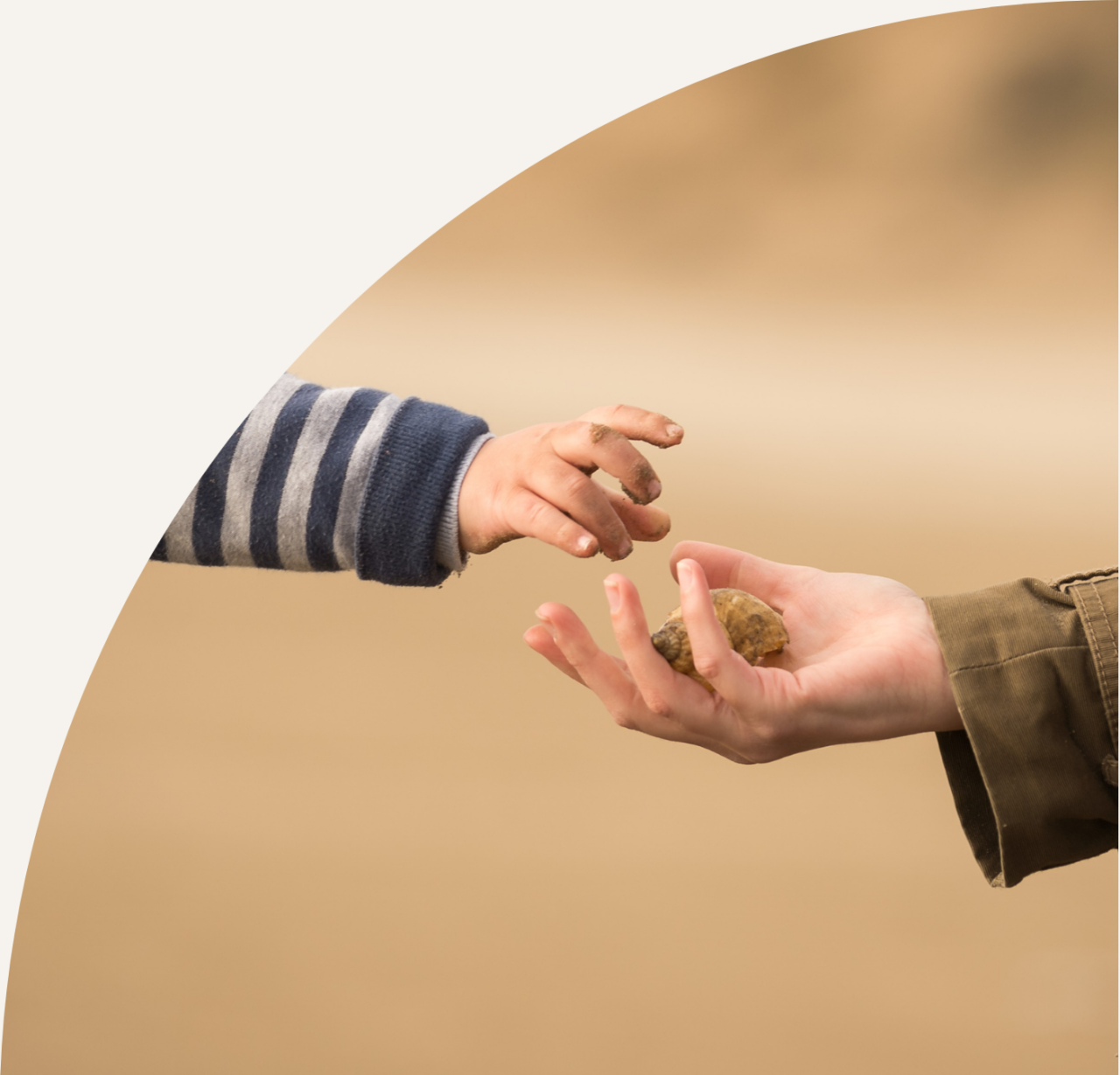
Experience the lens. Explore the possibilities. Make it meaningful where you are.
Light Lens isn't designed to arrive in your setting as another fixed programme to deliver.
The core stays deliberately small.
Light - who we are.
Stones - what we carry.
Signals - what we feel and show.
What happens next depends on where the lens lands.
A foster care organisation, school, family service or community project may each find different moments where the language becomes useful.
So working with Light Lens isn't about learning a script or reproducing one model exactly.
It's about understanding the lens, learning the principles for using it safely, and exploring how it could sit naturally within the relationships and support already surrounding your children.
Start by experiencing the lens

Light Lens is easiest to understand when you experience it rather than simply hear it explained.
Through a simple experiential session, participants are introduced to Light, Stones and Signals and invited to look through the lens for themselves.
From there, we look at what that distinction might offer children and the adults around them - and the everyday conversations and routines where the lens could become useful.
The aim is a simple shared language that can support understanding, conversation and appropriate help-seeking, while sitting safely alongside the safeguarding procedures and specialist support already in place.
Make it work where you are
Light Lens isn't intended to look identical everywhere.
Different settings have different children, relationships, cultures, needs, resources and ways of working.
So once a team understands the lens, the next question becomes: How could this be useful here?
That might mean exploring how children first encounter the language.
It might mean noticing natural moments where Light, Stones or Signals could give adults and children useful words.
It might mean identifying which part of the lens is particularly relevant to your work.
Or it might mean adapting the way the ideas are introduced so that they make sense within your language, culture and existing practice.
There isn't one prescribed answer.
Keep the lens.
Let its expression belong to the setting.
What would it look like with your children?
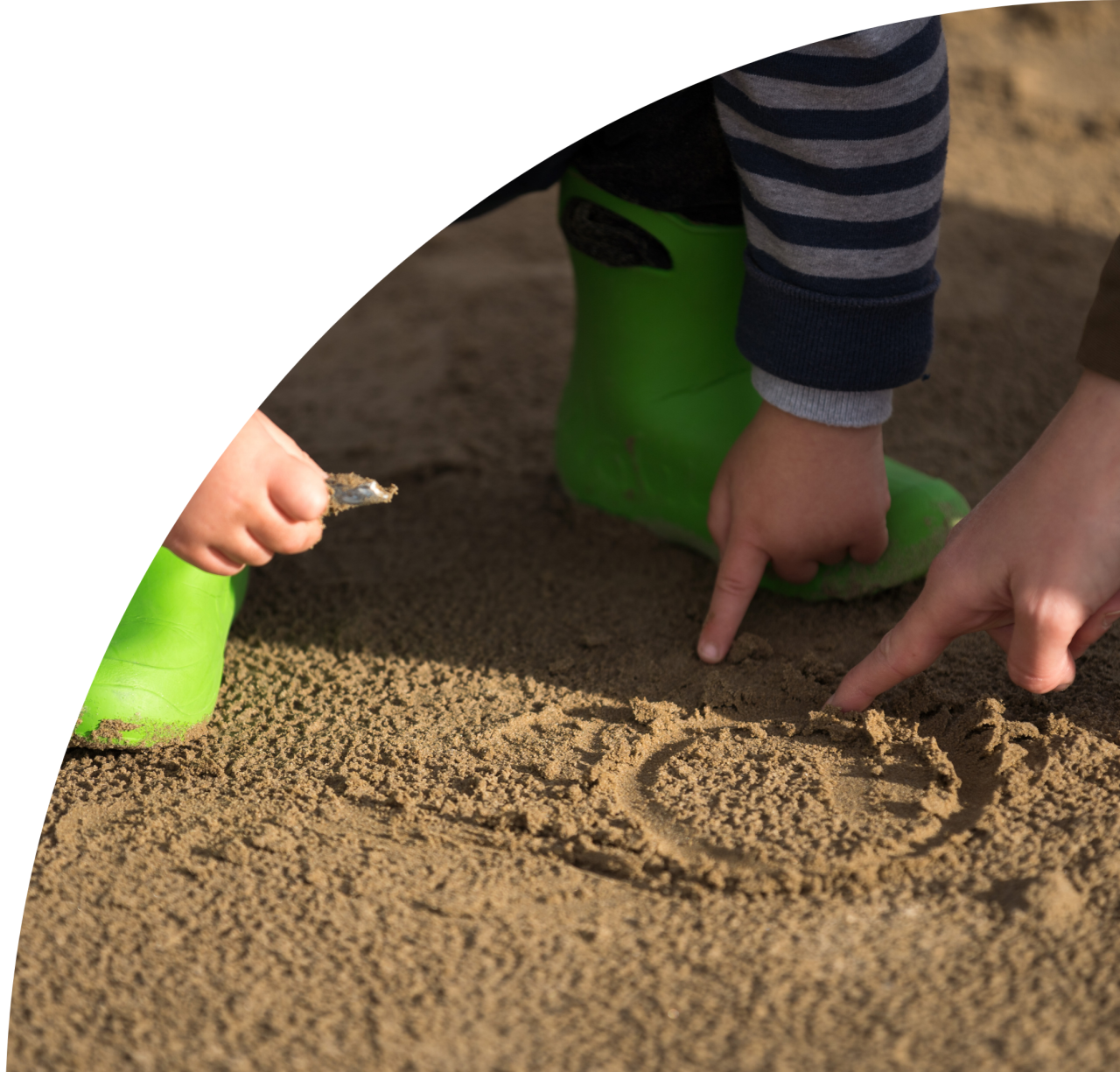
A foster care organisation might explore how the lens could help carers hold the whole child in view - recognising what a child carries without allowing it to become the whole story of who they are.
An Early Years or family support team might explore a simple shared language around identity, experiences, feelings and behaviour that can travel between children and the adults around them.
A school might consider where the lens could sit alongside existing wellbeing, relational or pastoral approaches without becoming another curriculum to deliver.
A community organisation might explore how the ideas could be expressed through the language, stories, activities and relationships already familiar to the children it works alongside.
And in a different country or cultural context, the starting point might simply be a conversation: Does this distinction make sense here? What would make it meaningful here?
The purpose isn't to reproduce Light Lens exactly.
It's to protect what is useful about the core lens while leaving room for the people who know their children and communities best.
Bring Light Lens into your setting
If something about the lens feels relevant to the children, families or communities you work alongside, we'd love to hear about your setting.
We can start with a conversation or an experiential introduction to Light Lens and explore from there.
Please get in touch with Angharad Davies on connect@lightlens.co
Limited Company Registration Number: 13163486
15 Neptune Court, Vanguard Way Cardiff, UK CF24 5PJ
connect@lightlens.co