Light Lens begins with a distinction so simple you can experience it for yourself right now...
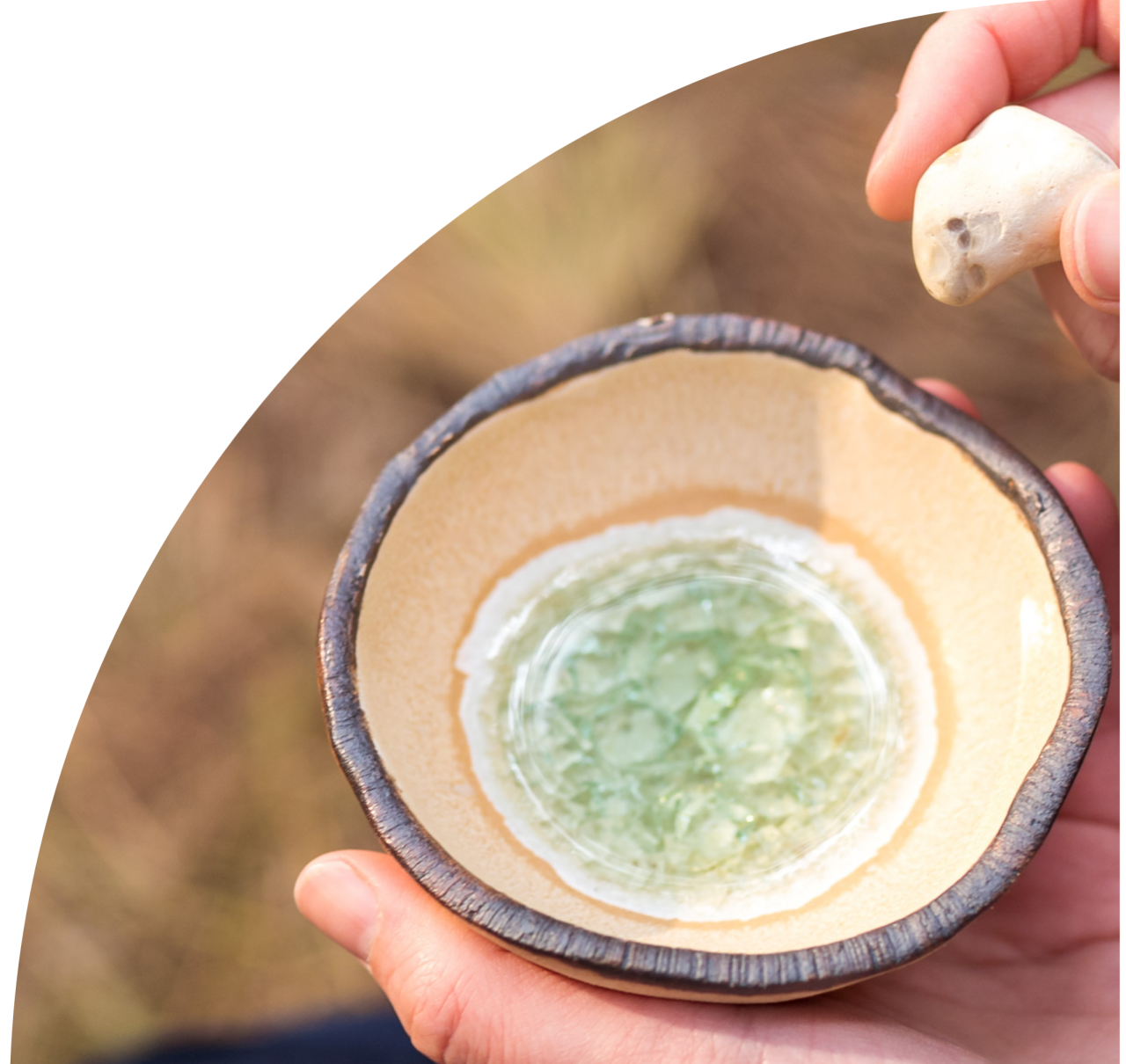
Light Lens begins with a distinction so simple you can experience it for yourself right now...
Imagine a bowl filled with Light.
And that light represents all of who you are.
Your qualities and strengths.
Your interests and joys.
Your capabilities.
Your relationships.
Your values and what matters to you.
The ways you've grown and changed.
Now think of a problem, difficulty or challenge in your life at the moment.
Imagine that difficulty is represented by a Stone, sitting there, amongst all your Light.
Does that Stone define you?
Does it tell the whole story of who you are?
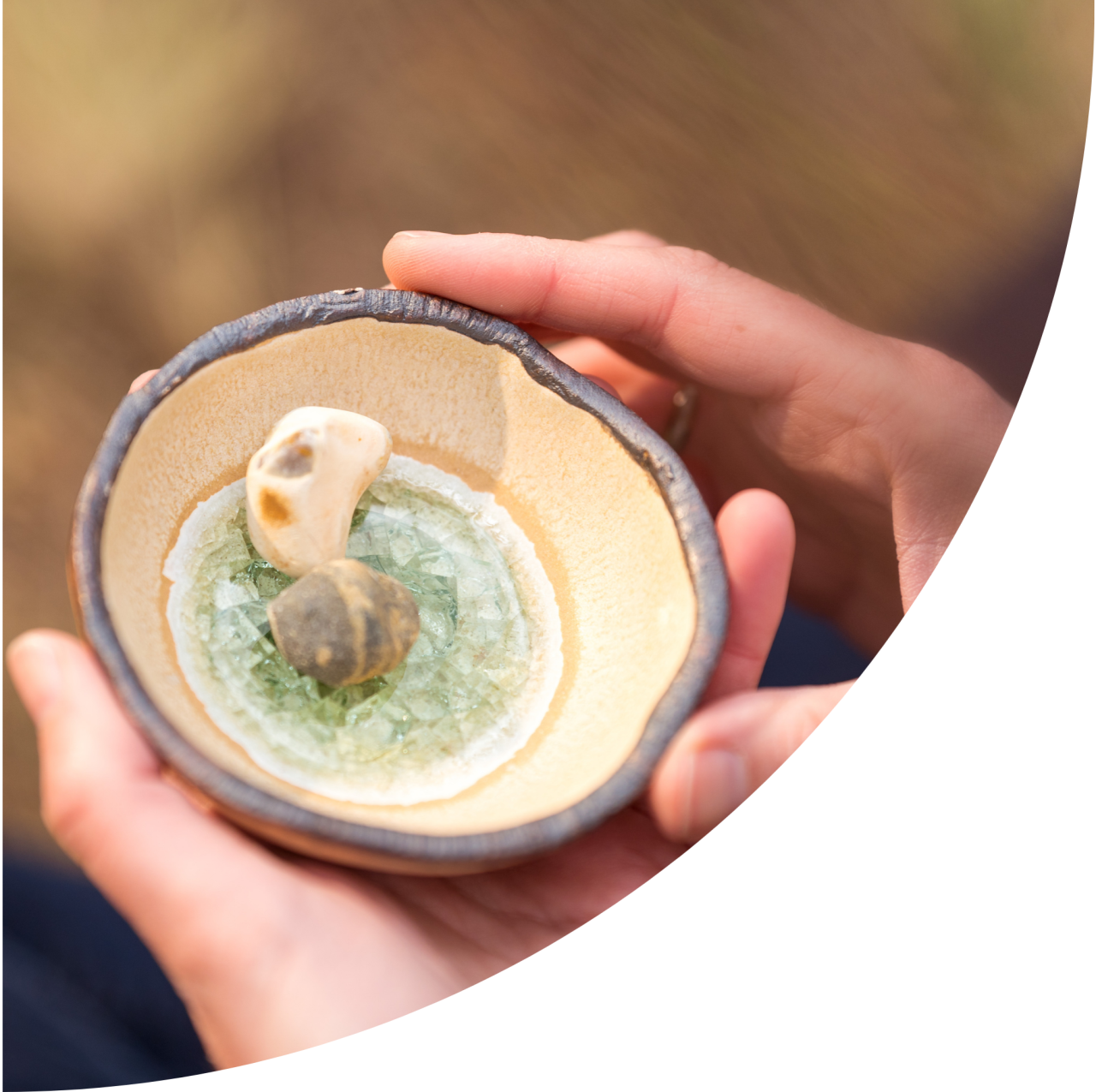
Does that Stone define you?
Does it tell the whole story of who you are?
Probably not.
The Stone may be real.
It may matter enormously.
It may need attention, support or change.
But it is something you are experiencing.
It isn't all of who you are.
That distinction can feel obvious when we apply it to ourselves.
But it isn't always so easy for a child.
A failed test can become “I'm stupid.”
A friendship difficulty can become “Nobody likes me.”
Moving between homes can become “There's something wrong with me.”
And sometimes, without meaning to, the adults around a child can begin to see the Stone more easily too.
Light Lens asks us to keep seeing more.
Three simple ideas a child can carry
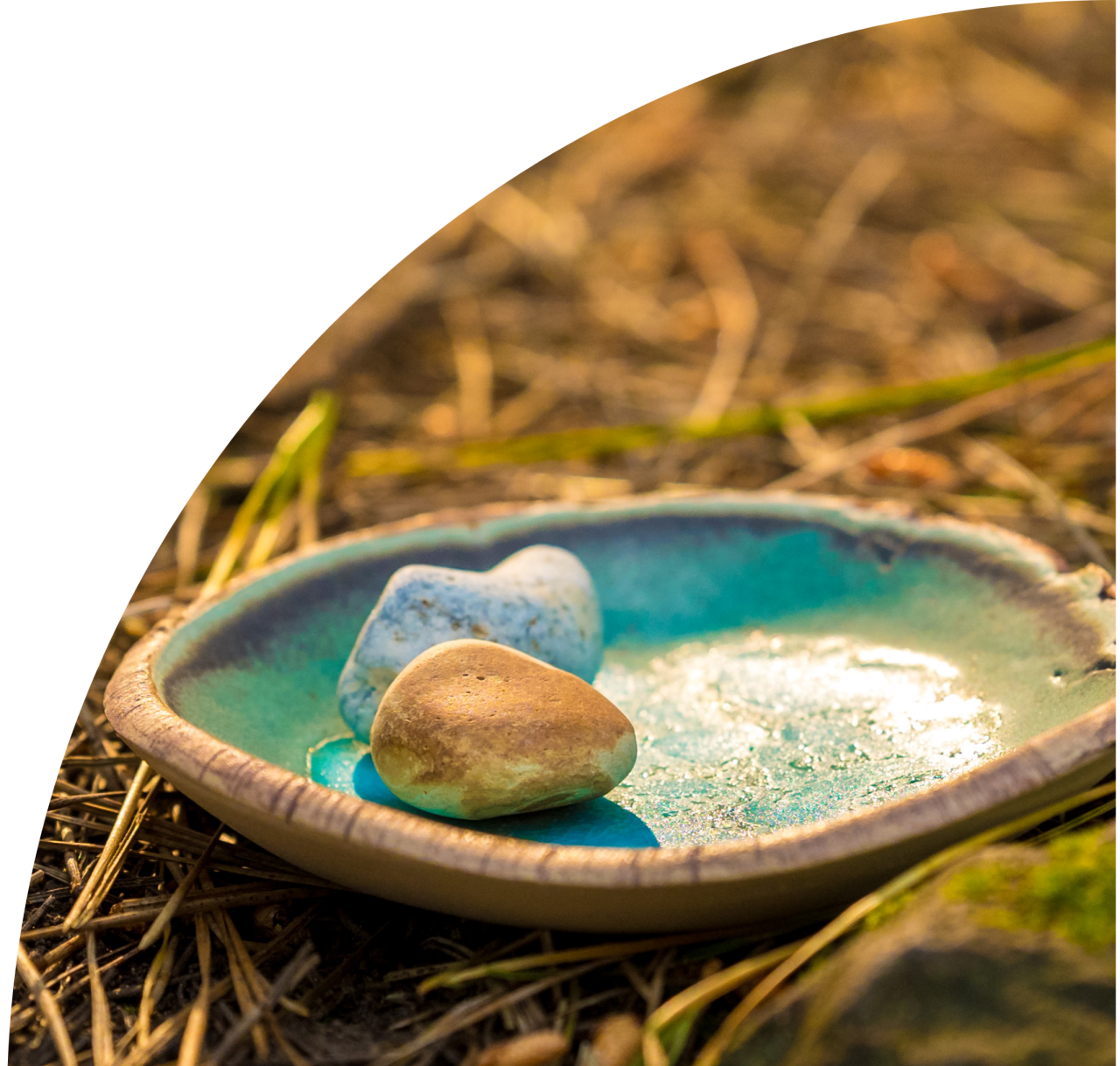
At the heart of Light Lens are the three ideas.
Light - who I am.
The many pieces that make me me - my qualities, interests, relationships, culture, abilities, values, hopes, growth and everything still being discovered.
Stones - what I carry.
The difficulties and challenges that are part of my life. Some small. Some heavy. Some temporary. Some that may stay with me for a long time.
Signals - what I feel and show.
The things that can happen in my emotions, body and behaviour when something is going on for me.
Three enormous parts of being human.
Three simple images.
And one important distinction.
Who I am is not the same as what I carry - and what you see is not the whole story.
For a child, that might gradually offer language for:
- this is something I'm carrying;
- something is happening in me, and I can notice it;
- what I'm feeling or showing might be telling me something;
- and when a Stone feels too difficult to carry, I can ask for help.
Now look through the lens at a child
Imagine a child whose behaviour has changed.
They're angry. Or unusually quiet. They're refusing to join in. They're struggling to concentrate. Perhaps they're pushing people away.
What do we know?
We know there is a Signal.
We don't necessarily know why.
There may be a Stone. There may be several. There may be something entirely different going on.
Signals invite curiosity, not conclusions.
So instead of allowing what we can see in one moment to become the whole picture of the child, the lens gives us somewhere else to stand.
There is a whole person here.
I may not know everything they are carrying.
What I'm seeing might be telling me something.
And there is more to this child than I can see right now.
Light Lens doesn't tell us what the Stone is.
It simply helps us keep the person, the experience and the Signal in view without collapsing one into another.
It can live in very small moments
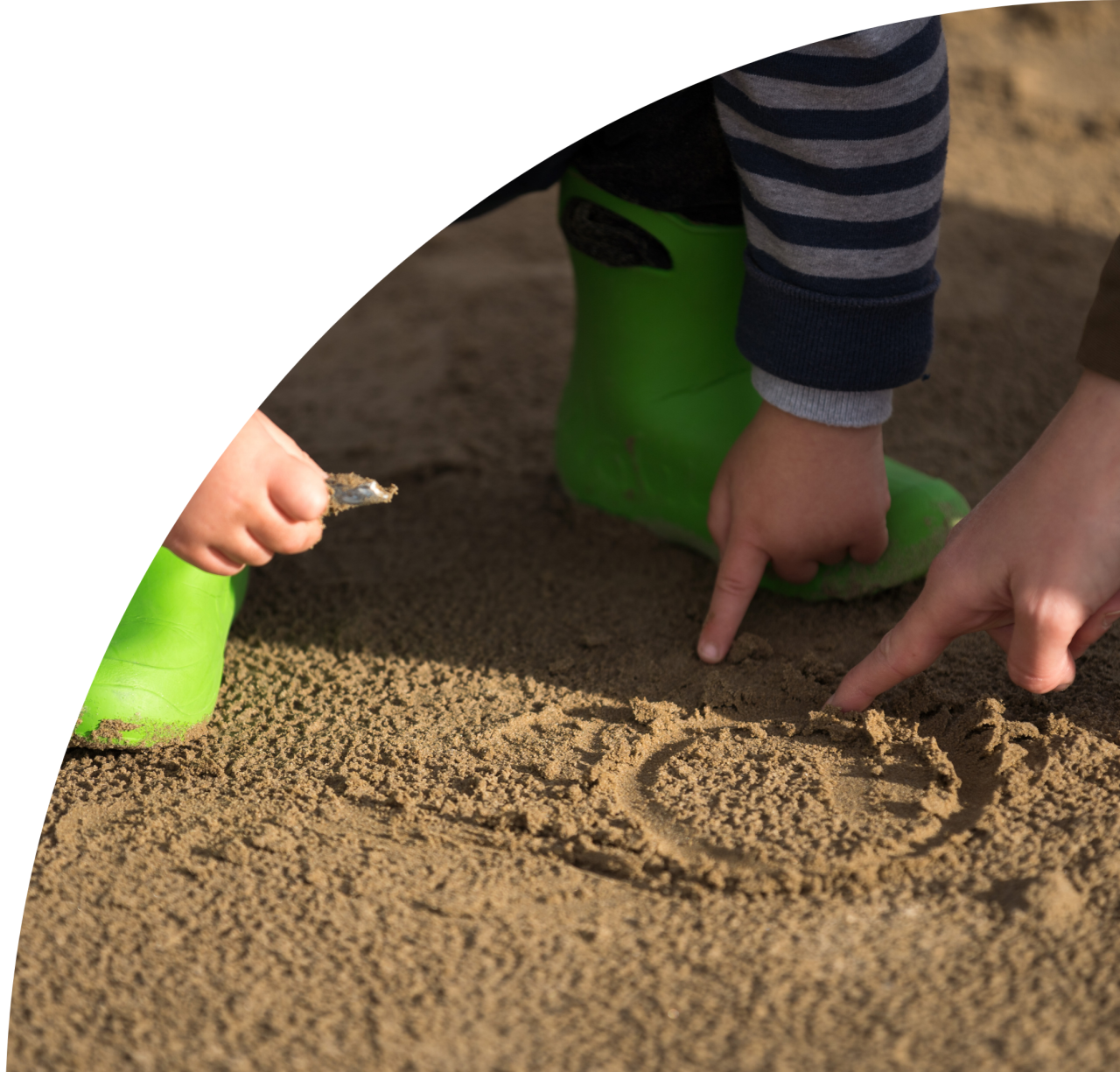
Once the language is familiar, it can be returned to when it is useful.
A teacher might notice a Signal and remember - what I'm seeing isn't the whole story.
A foster carer might intentionally notice and reflect a piece of a child's Light at a time when Stones have become particularly visible.
A young child might begin to recognise a feeling in their body as a Signal.
A family worker might draw the three images on a piece of paper during a conversation.
And children and adults may discover their own ways of using the language.
A lens is learned once, but looked through again and again.
The possibilities are bigger than the metaphor
The power of Light Lens isn't in teaching children three new words.
It's in what those distinctions might make possible.
A way to talk about difficulty without making difficulty an identity.
A way to notice feelings and behaviour without assuming we know their cause.
A way to keep seeing the whole person when one part of their story has become particularly visible.
A way for a child to communicate that something feels heavy without needing all the words to explain it.
A way to recognise that some Stones need help - and that asking for that help matters.
And a shared language that can potentially move between the adults and places surrounding a child.
Home, school, foster care, family support, and community.
Different relationships and different contexts, with the same tiny distinction underneath them.
Light. Stones. Signals.
Connected. But not the same.
One lens. Many ways to look through it.
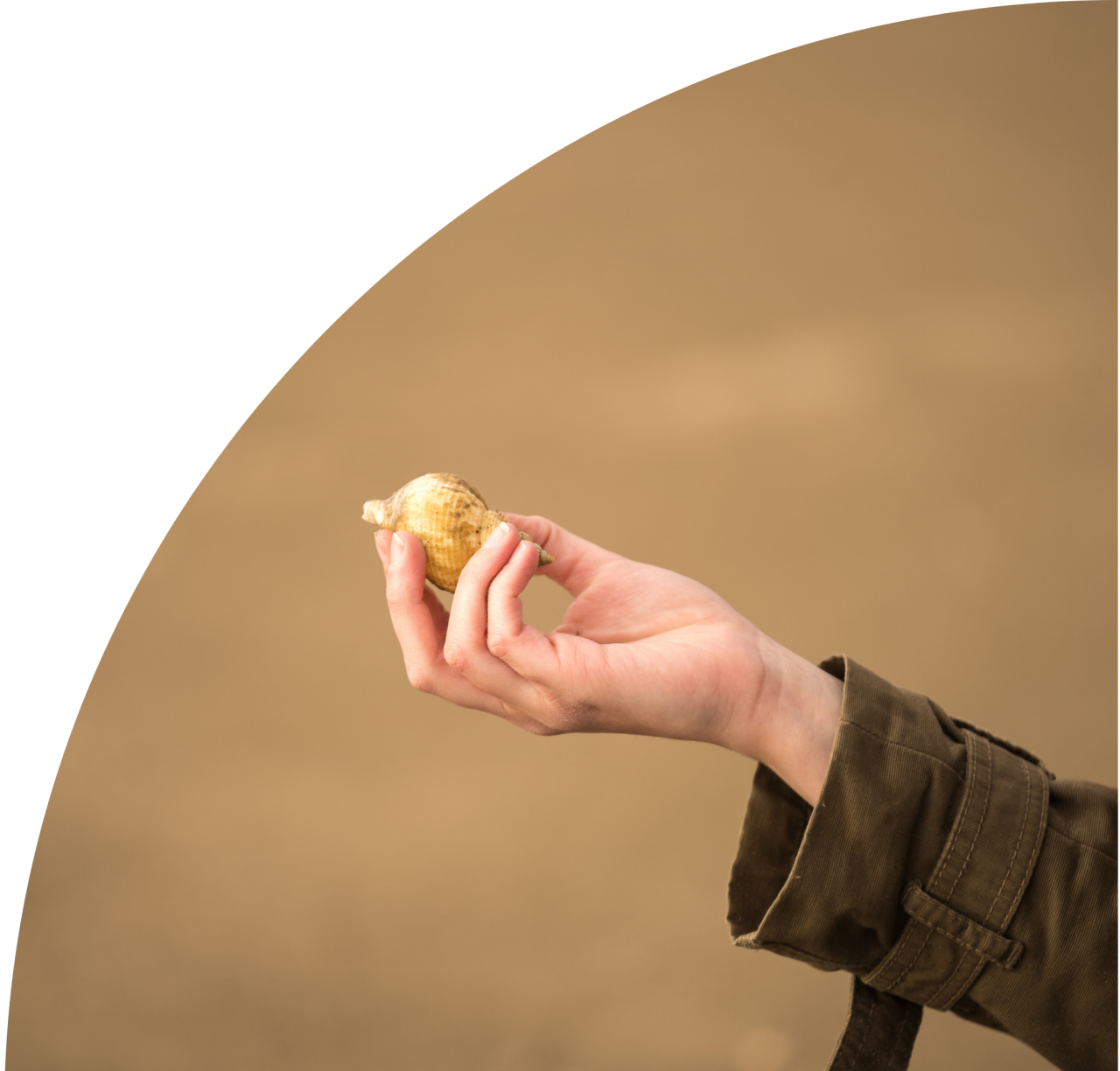
Light Lens is deliberately small because what happens around it doesn't need to be prescribed from one place.
One setting might find particular value in helping children discover and collect their Light.
Another might use Stones to create easier openings for conversations about things that are difficult.
Another might find Signals particularly useful as a reminder to approach emotions and behaviour with curiosity.
The core remains simple. How it lives can respond to the children, culture, relationships, resources and support already there.
The lens stays simple. How it lives belongs to the setting.
Limited Company Registration Number: 13163486
15 Neptune Court, Vanguard Way Cardiff, UK CF24 5PJ
connect@lightlens.co