A fairer inner world for children
A fairer inner world for every child
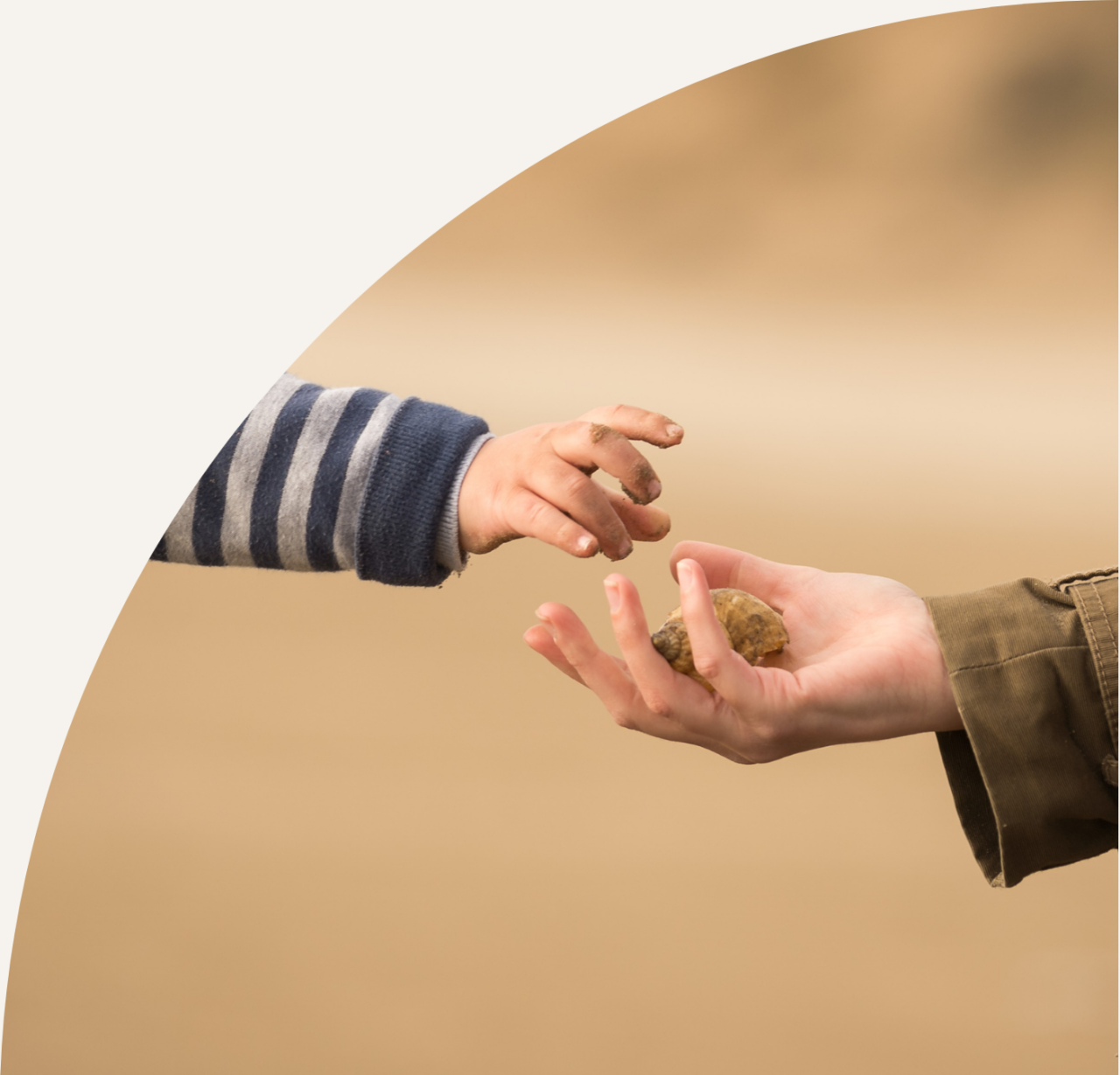
Light Lens strives to make what we already know can help children simple enough to travel, so that where or how a child grows up doesn't determine whether they get to understand themselves - and be understood by others.
We know more than ever about what helps children thrive.
We know the importance of supportive relationships.
Of being seen and valued.
Of understanding emotions.
Of having language for difficult experiences.
Of being able to ask for help.
But access to that knowledge - and to the professionals, programmes, training and resources built around it - is profoundly unequal.
Light Lens grew from the quesion...
How simple could we make some of the things we know matter,
so that more children could experience them wherever they grow up?
Where it began
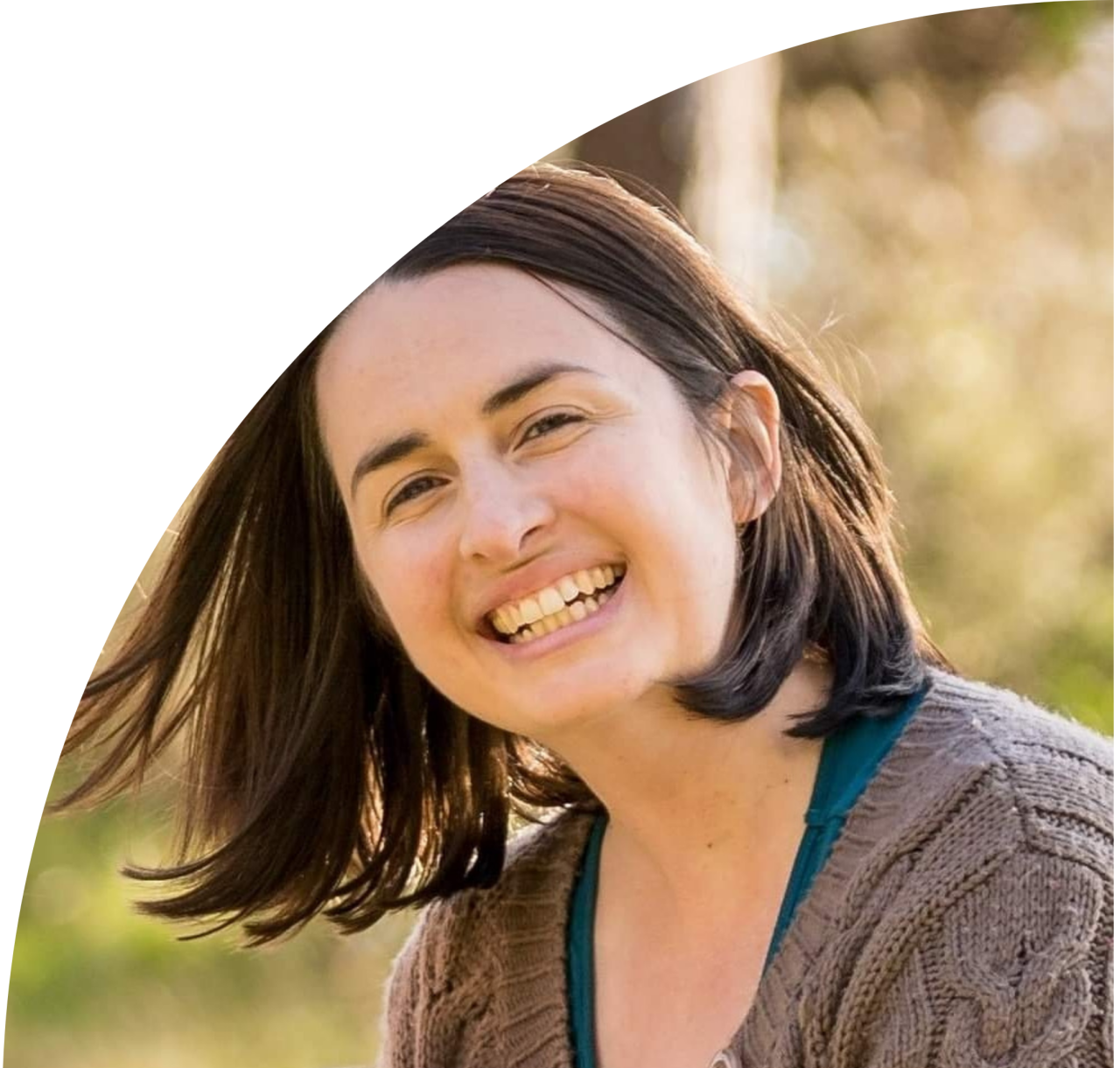
Angharad Davies, founder and creator of Light Lens
It all started with two children.
And not my two children.
It was the summer of 2003 and I was volunteering in a hospital playroom in Bucharest, Romania.
In came two smiling children. Friends by circumstance. Ward buddies.
Two children I would only know for a small part of their lives, but who would profoundly shape the direction of mine. I came home knowing one thing with enormous clarity. I wanted my life to contribute something to the lives of children.
For the next eight years, I thought I knew exactly what that contribution would be. So I volunteered with children at home and overseas, I fundraised, and I added post-graduate qualifications in Therapeutic Play and Psycho-Oncology to my Psychology degree. I was going to work with children affected by cancer.
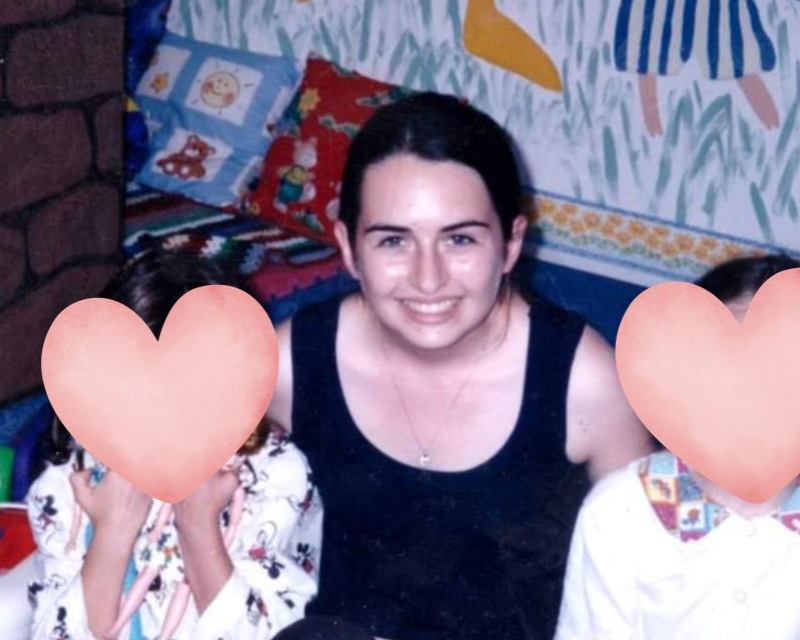
It also deepened something that had been there since I was twenty. A conviction that I wanted to contribute to making the world my own children - and all children - will grow up and grow old in a little fairer.
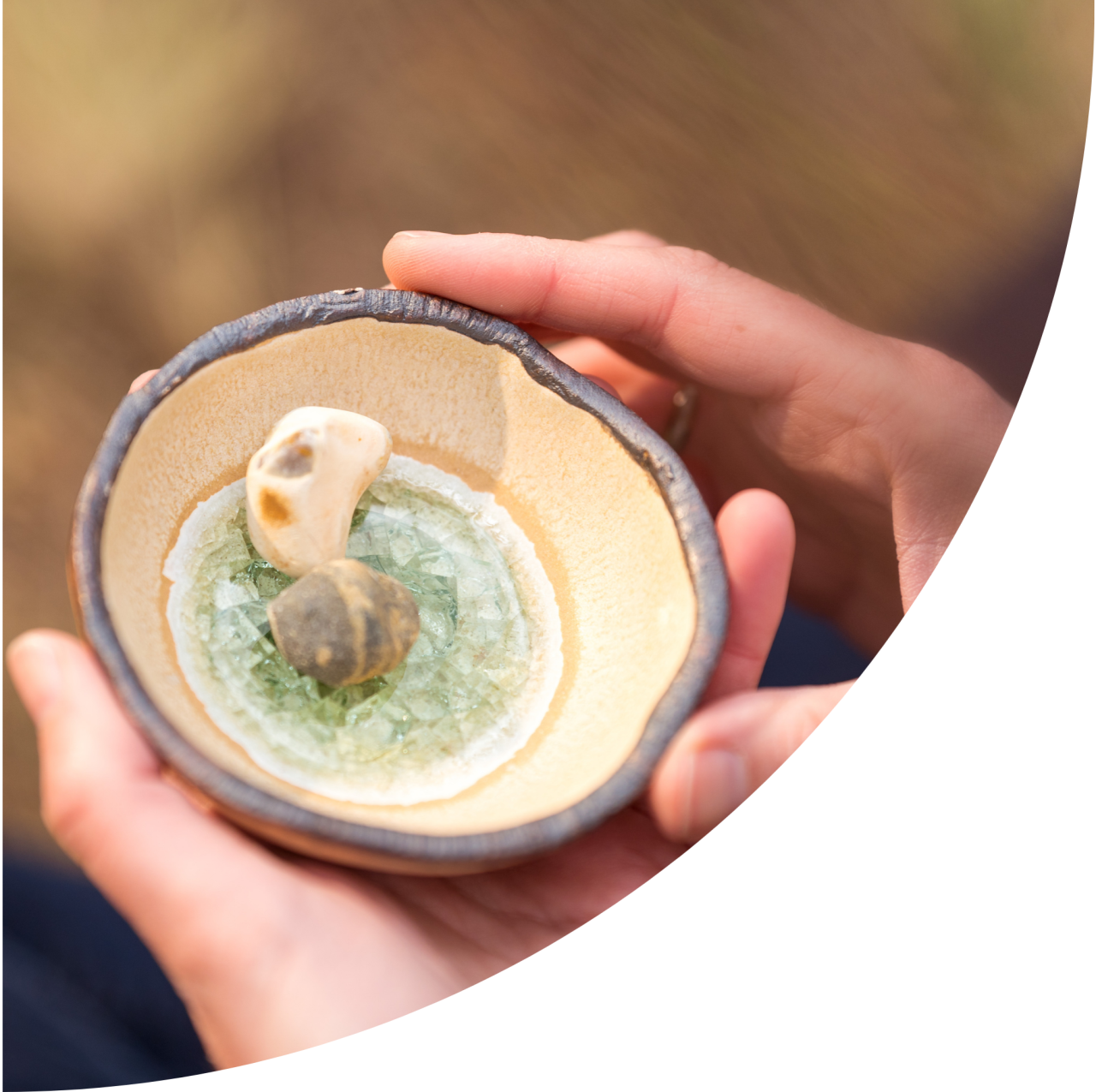
And somewhere in the background was an image I had carried with me for almost two decades. A simple visual metaphor of light and stones that I had come across while studying Therapeutic Play.
Years later, that little metaphor collided with a question I had started asking again and again: How simple could we make some of the things we already know matter, so that more children could access them - regardless of their circumstances or the resources around them?
And that was the very beginning of Light Lens.
But life took me somewhere else.
I moved countries. I taught children. I built a business. I became a children's author and a mother to two children of my own.
And motherhood brought some of those old questions much closer to home. I became increasingly aware of just how much we know about what helps children understand themselves, navigate what happens to them and grow up supported by the people around them - and how unequal access to that knowledge can be.
Limited Company Registration Number: 13163486
15 Neptune Court, Vanguard Way Cardiff, UK CF24 5PJ
connect@lightlens.co